Microplastics in Water: Causes, Symptoms & Solutions
What Are Microplastics in Water?
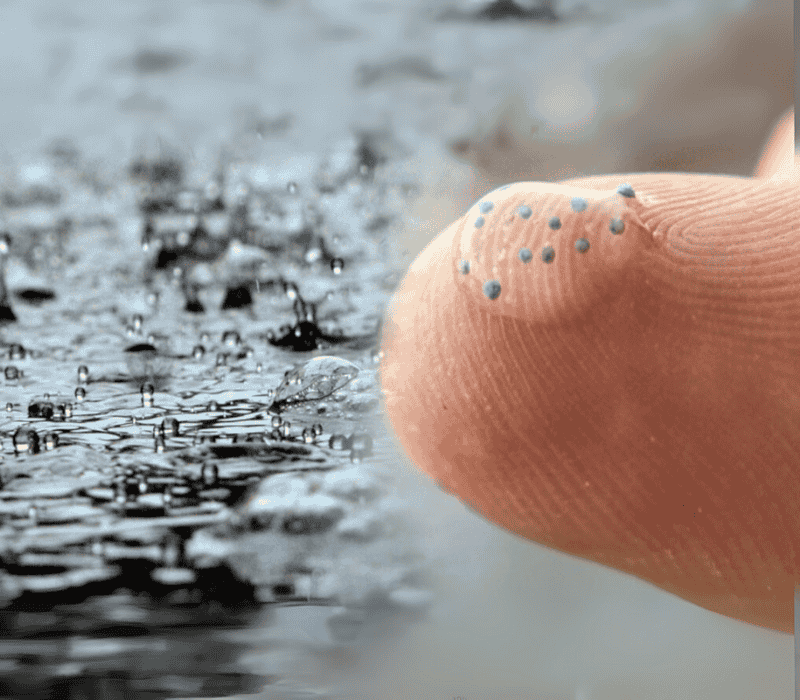
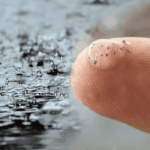
Microplastics are tiny plastic particles, less than 5mm in size—that enter water supplies through environmental degradation, wastewater, and industrial processes. These particles come from common items like synthetic fabrics, packaging, personal care products, and vehicle tire wear.
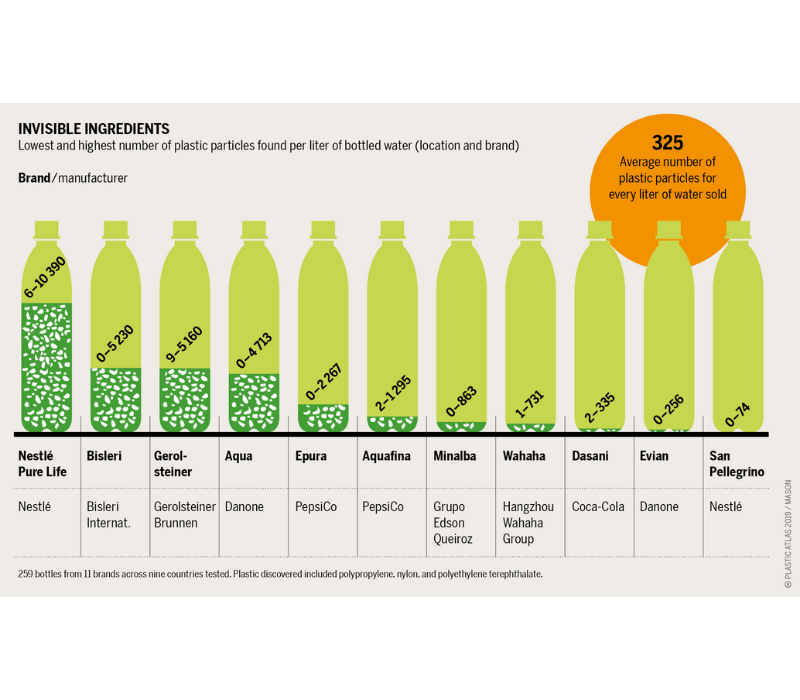
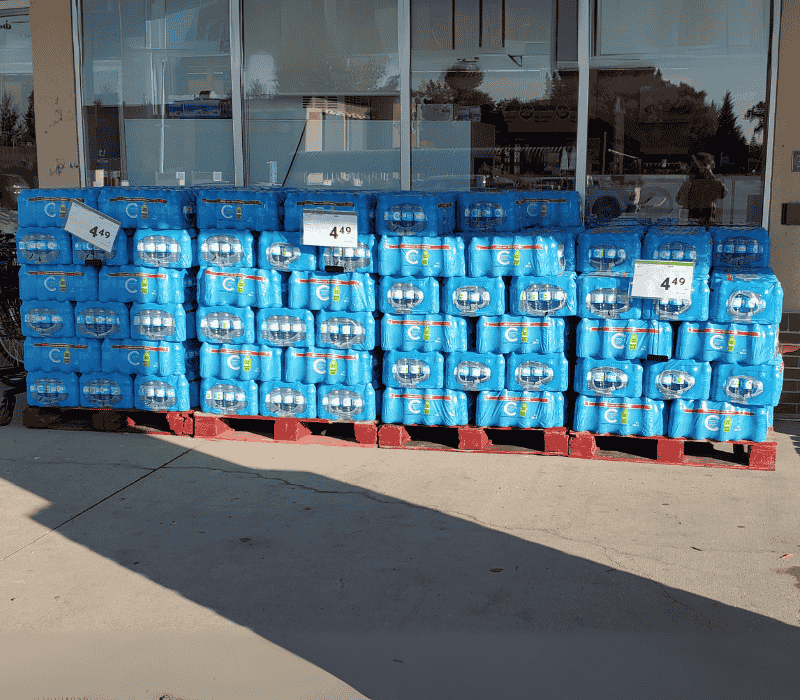
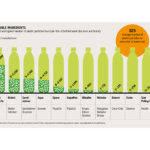
They’re not just a marine issue, microplastics are now found in municipal drinking water, well water, bottled water, and even the air we breathe.
Where Do Microplastics Come From?
Microplastics enter water systems in various ways:
Laundry runoff: Synthetic fabrics like polyester release plastic fibers during washing.
Cosmetics & personal care products: Some toothpastes, face scrubs, and exfoliants use microbeads.
Plastic breakdown: Sunlight and friction break down plastic bottles, bags, and containers into smaller particles.
Tire & road wear: Microscopic particles wash into storm drains and waterways.
Wastewater treatment plants: Not all microplastics are filtered out before effluent is discharged.
What Does Microplastic Contamination Look Like?
Microplastics are often invisible to the naked eye, but their impact can be seen and felt over time:
Cloudy or particulate-laden water
Plastic-like taste or chemical odor in drinking water
Bioaccumulation in the food chain, potentially harming aquatic life and humans
While most homeowners won’t see visible particles, testing and filtration are essential to detect and manage them.
Why Should You Be Concerned?
Microplastics pose potential long-term risks to health, water quality, and the environment:
Health impact: Studies have shown microplastics can be inhaled, ingested, and absorbed, possibly causing inflammation, hormone disruption, or cellular damage.
Plumbing issues: Fine particles can accumulate in appliances and water heaters over time.
Environmental damage: Microplastics pollute lakes, rivers, and oceans, harming wildlife and entering our food chain.
⚠️ Health Canada and the U.S. EPA classify microplastics as “emerging contaminants,” meaning they’re not fully regulated yet but are under active investigation due to rising concern.
How to Remove Microplastics from Drinking Water
Reverse Osmosis (RO): One of the most reliable systems for removing microplastics and other contaminants at a molecular level.
Additional Prevention Tips
Use a laundry filter (like a Cora Ball or Filtrol) to capture synthetic fibers.
Choose natural fiber clothing over synthetics when possible.
Avoid personal care products that list “polyethylene” or “polypropylene” as ingredients.