Algae & Biofilm in Water: Causes, Symptoms & Solutions

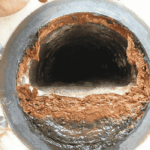
Why Are Algae and Biofilm a Problem in Surface Water?
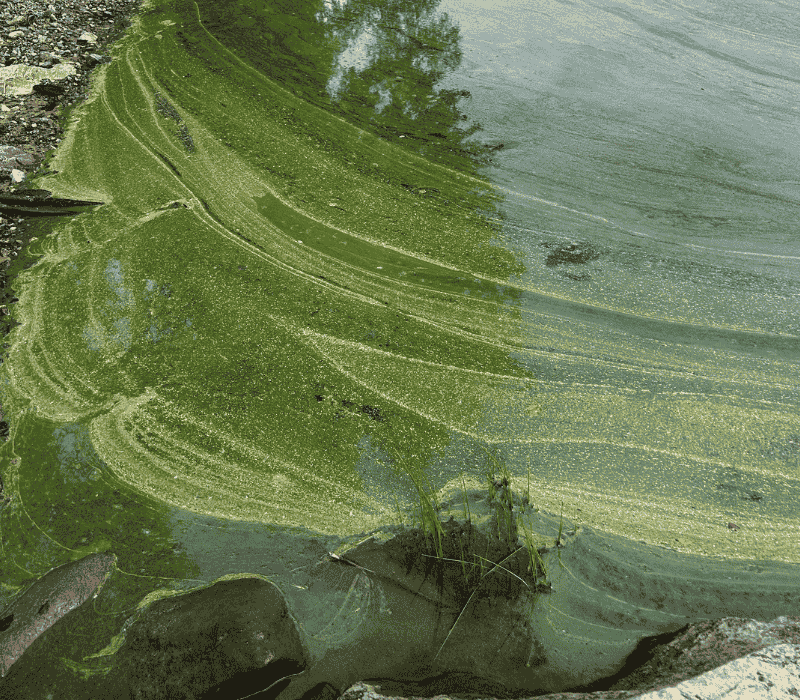
If your property draws water from a lake, river, or seasonal surface supply, you’re likely to encounter algae and biofilm buildup. These naturally occurring organisms thrive in warm, nutrient-rich environments; especially when water is exposed to sunlight and not disinfected properly.
While not always dangerous, they can lead to bad smells, taste issues, and even help harmful bacteria flourish inside your plumbing and filters.
How to Tell if Algae or Biofilm Are in Your Water
Watch for these common signs, especially in cabins, lakefront homes, or shallow intake systems:
Slimy buildup on fixtures, filter housings, or toilet tanks
Musty, swampy, or earthy odours in drinking water
Visible green, black, or brown slime in standing water or holding tanks
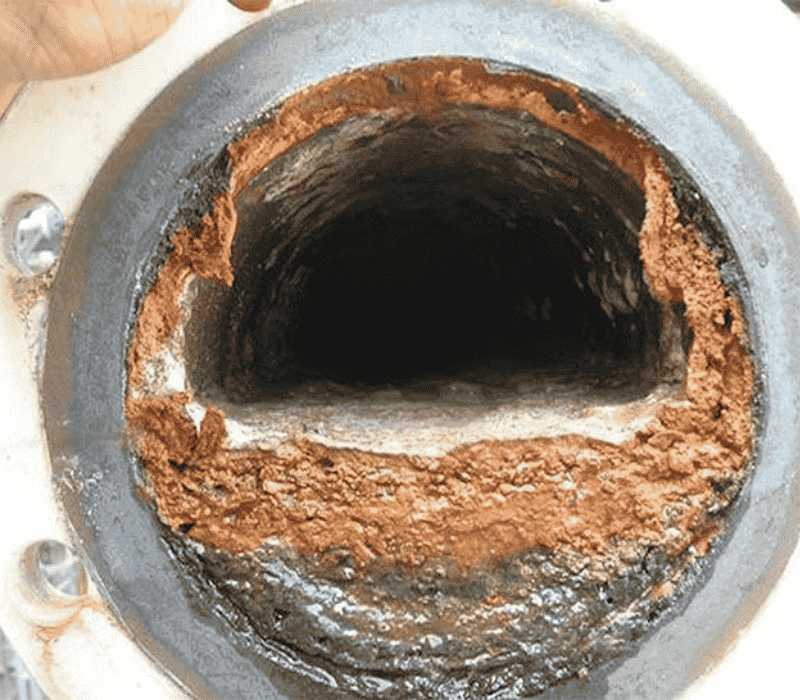
Reduced water pressure or flow due to organic clogging
UV systems requiring frequent sleeve cleaning (biofilm blocks UV light)
Why It Matters
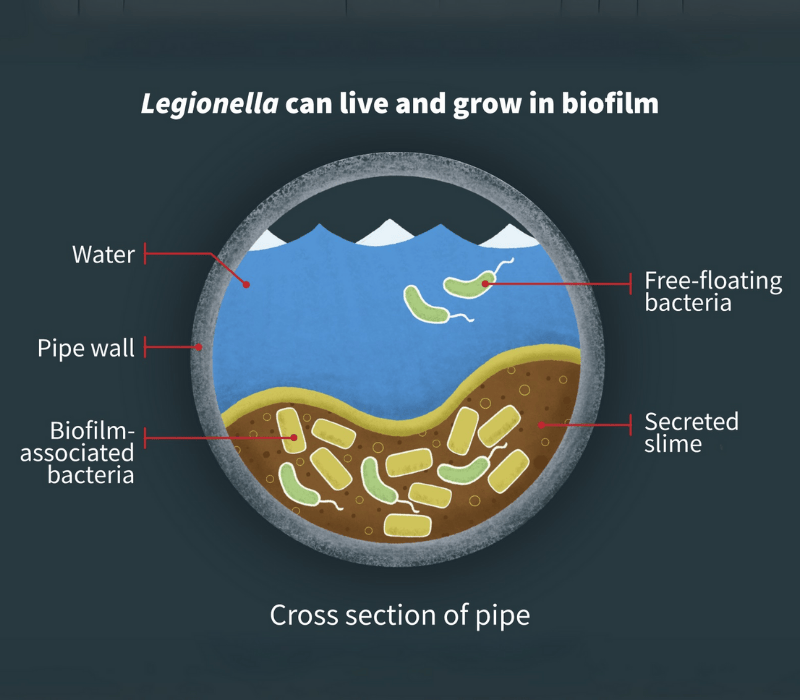
Even if algae themselves aren’t always harmful, they create ideal conditions for other microorganisms to grow, like coliform, E. coli, or sulphur-producing bacteria. This can lead to:
Foul odours or taste
Staining of sinks, tubs, and laundry
Clogged plumbing or filters
Reduced appliance life and efficiency
Decreased performance of UV or chemical disinfection systems
Did You Know?
Biofilm acts like a protective slime shield for bacteria. Once it forms on the inside of pipes or tanks, it becomes very hard to remove; and regular water pressure alone won’t flush it out.
What Causes Algae & Biofilm in Surface Water Systems?
Sunlight Exposure: Algae thrive in water that’s exposed to light, like clear tanks, tubing, or untreated lake intakes.
Stagnant or Low-Flow Lines: Unused pipes or oversized plumbing promote warm, low-oxygen zones where biofilm flourishes.
Iron, Sulphur, or Manganese: These feed bacteria and slime-forming organisms.
No Disinfection: Surface water must be disinfected, UV or chemical treatment is essential to control microbial growth.
How to Treat Algae & Biofilm in Your Water
1. UV Disinfection
Ultraviolet light kills bacteria, viruses, and algae at the source; a chemical-free solution that’s safe and reliable.
2. Pre-Filtration & Sediment Control
Install a 5-micron sediment filter or spin-down filter to catch organic debris before it enters your plumbing.
3. Shock Cleaning & Maintenance
For systems with established biofilm, seasonal shock chlorination may be needed to sanitize tanks and lines.
4. Mineral Filtration
If iron, sulphur, or manganese are present, install treatment systems to remove them and reduce biofilm food sources.
5. Blackout or Opaque Tanking
Avoid translucent water tanks and tubing, light encourages algae. Use light-blocking tank materials or covers.