Turbidity: Causes, Symptoms & Solutions
What Is Turbidity in Water?
Turbidity refers to how cloudy or murky your water appears due to suspended particles like silt, clay, algae, organic matter, or microorganisms. It’s a key indicator of water quality — not because it’s dangerous in itself, but because it often signals contamination or poor filtration.
If your water looks hazy or discoloured, turbidity may be to blame
What Does Turbid Water Look Like?
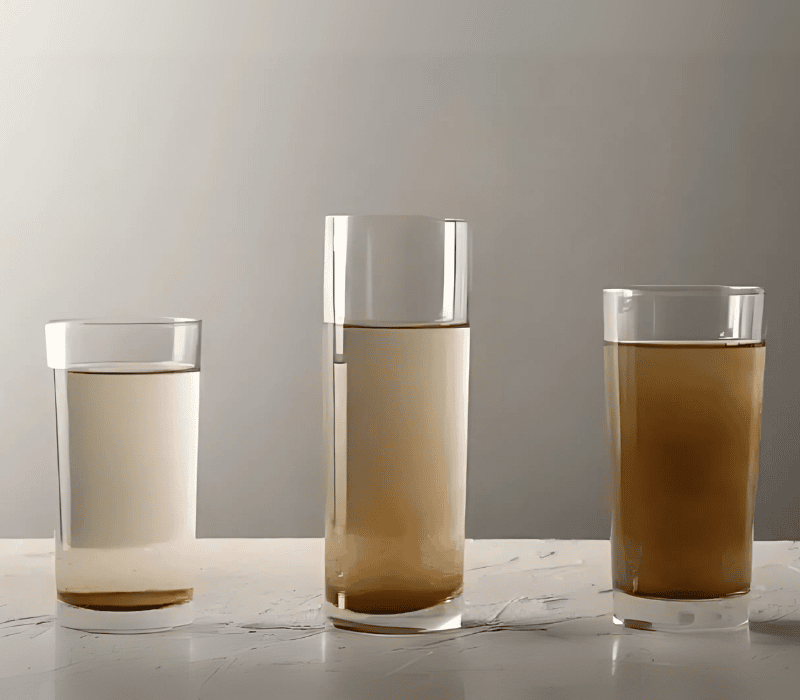
Turbid water is visually easy to detect and may appear:
Cloudy or Milky – especially in tap water drawn from lakes or shallow wells
Brown or Yellow-Tinged – due to organic sediment or runoff
Floating Particles – visible specks that don’t settle quickly
Sediment Buildup – in toilet tanks, glassware, and filters
Where Does Turbidity Come From?
Turbidity usually results from:
Surface Water Sources: Lakes, rivers, and streams stirred by wind, boating, or runoff
Seasonal Runoff: Spring melt or heavy rain brings mud, silt, and decaying matter
Poor Well Sealing: Shallow wells can draw in dirt and sand
Old or Damaged Pipes: Can introduce rust flakes or biofilm
Algae Blooms: Especially in warmer, nutrient-rich water
Why Does Turbidity Matter?
While turbidity itself isn’t harmful, it’s a red flag for other risks:
Pathogen Risk: Bacteria, protozoa, and viruses can hide within particles
UV Interference: UV disinfection systems lose effectiveness when water isn’t clear
Filter Clogging: High turbidity shortens the lifespan of your filters and RO membranes
Taste & Odour Issues: Murky water often carries earthy or musty flavours
How to Fix Turbidity in Your Water
Here are the most effective solutions to reduce turbidity and restore water clarity:
🔹 Sediment Filtration
Use cartridge or media filters (e.g., 5-micron or multi-stage systems)
Traps silt, sand, and floating solids
🔹 Spin-Down Filters
Installed at the main line to catch coarse debris (great for cottages/wells)
Easily flushable — reduces strain on finer filters
🔹 Ultrafiltration (UF)
Filters down to 0.01 microns
Removes bacteria and very fine sediment without affecting minerals
🔹 Proper Well Maintenance
Seal well caps, inspect for cracks, and avoid shallow or poorly cased wells
🔹 Settling Tanks (for cabins or high sediment areas)
Let water sit so solids can drop to the bottom before entering the treatment system