Tannins: Causes, Symptoms & Solutions
What are Tannins?
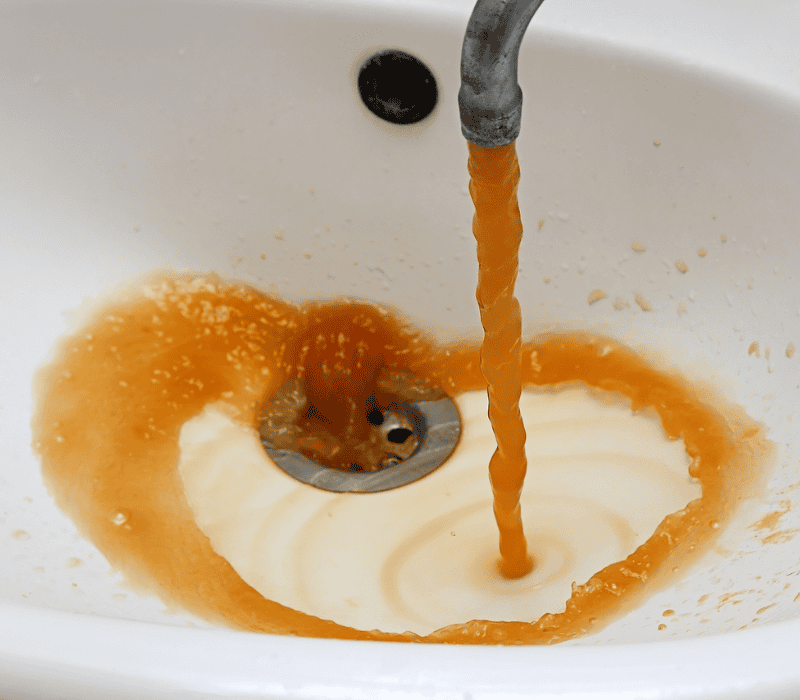
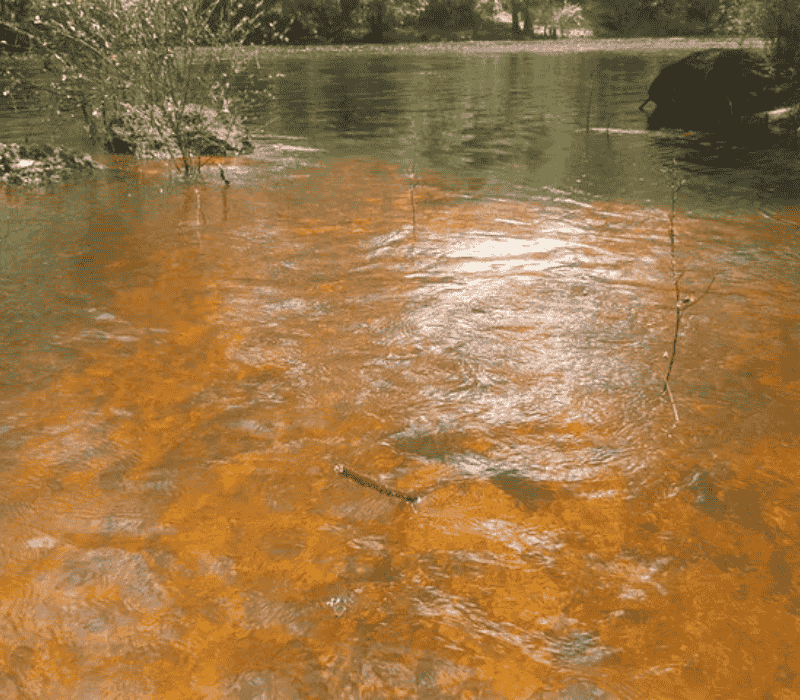
Tannins are organic compounds released from decaying vegetation, leaves, and peaty soil. As surface water or shallow well water passes through these materials, it picks up tannins — leading to yellow, tea-coloured water with a musty taste and smell.
They’re not harmful to your health, but tannins can make your water visually unappealing and interfere with other treatment systems in your home.
What Does Tannin-Contaminated Water Look Like?
You may be dealing with tannins if you notice:
Yellow or Tea-Coloured Water: Especially in bathwater, sinks, and toilets
Staining: Brownish-yellow marks on laundry, fixtures, and countertops
Musty or Earthy Taste: Even after boiling, water still tastes “dirty” or “stale”
RO Membrane Fouling: Reverse osmosis systems clog more quickly with tannin-rich water
Where Do Tannins Come From?
Tannins are most commonly found in:
Surface Water Sources: Lakes, rivers, swamps, and marshy areas
Shallow Wells: Especially those near decaying vegetation or organic-rich soil
Seasonal Properties: Cottages and cabins often experience tannin issues after spring runoff or heavy rainfall
Why Should You Care About Tannins?
While tannins are not toxic, they can:
Make your water look dirty, even when it’s technically safe
Stain light-coloured laundry, dishes, and fixtures
Interfere with UV disinfection and RO systems, reducing their effectiveness
Increase water treatment costs by prematurely fouling filters and membranes
How Can You Fix Tannins in Water?
Tannin removal requires specialized filtration based on your water chemistry. Here are the best solutions:
🔹 Anion Exchange Filters
Work like a water softener, but use different media to target negatively charged tannin molecules
Best when tannins are the only problem in otherwise soft water
🔹 Oxidation + Filtration
When tannins coexist with iron or sulphur, oxidation systems (air injection or chlorine + carbon) may be needed
Followed by multimedia or carbon filtration to clear colour and improve taste
🔹 Reverse Osmosis (RO)
Can remove tannins if pre-treated with a carbon filter
Works well for point-of-use (e.g., drinking/cooking water only)
🔹 Activated Carbon Filters
Absorb tannins to a degree, especially if concentrations are low
Often used as a pre-treatment step