Iron: Causes, Symptoms & Solutions
What is Iron in Water?
Iron naturally enters water supplies as groundwater dissolves iron-bearing rocks and minerals. While trace amounts are common and safe, elevated iron levels can lead to unpleasant taste, visible staining, and plumbing damage.
What Does Iron in Water Look Like?
You may have iron in your water if you notice:
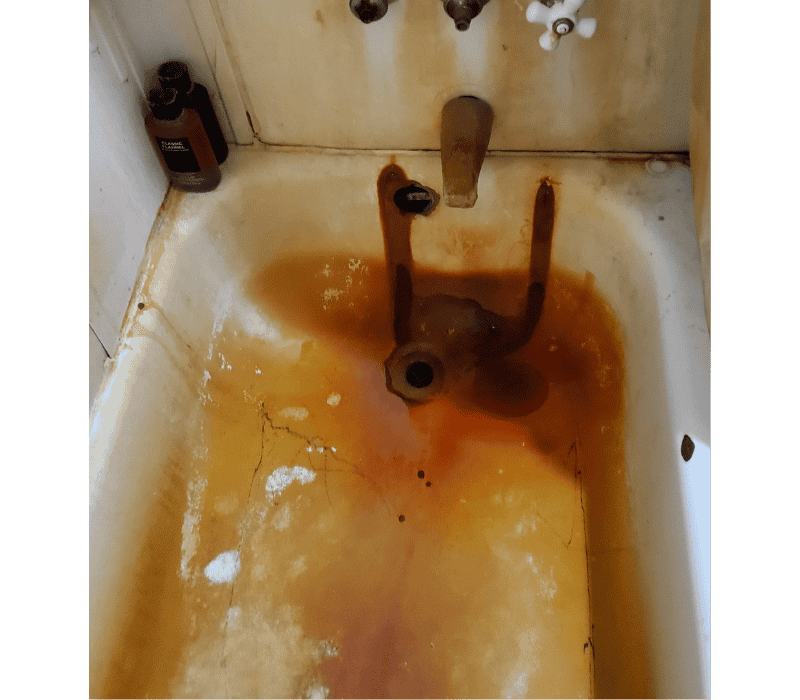
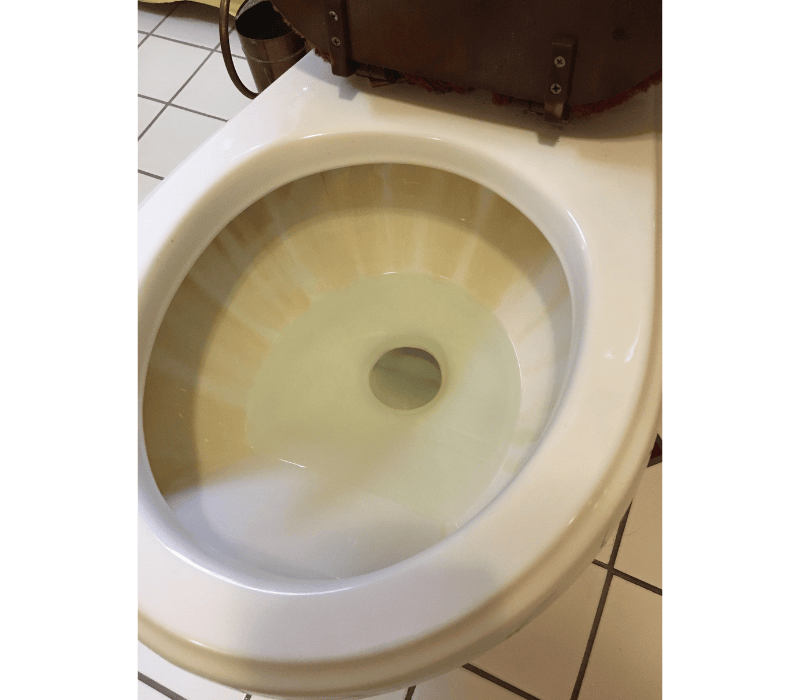
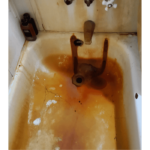
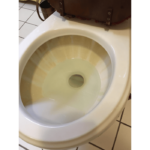
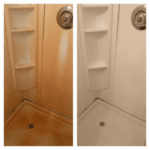
Rust Stains: Red or orange marks on sinks, toilets, bathtubs, or laundry.
Discoloured Water: Yellow, orange, or brown water, especially after water has sat in the pipes.
Metallic Taste & Odour: Water has a bitter, metallic flavour that can affect cooking and drinking.
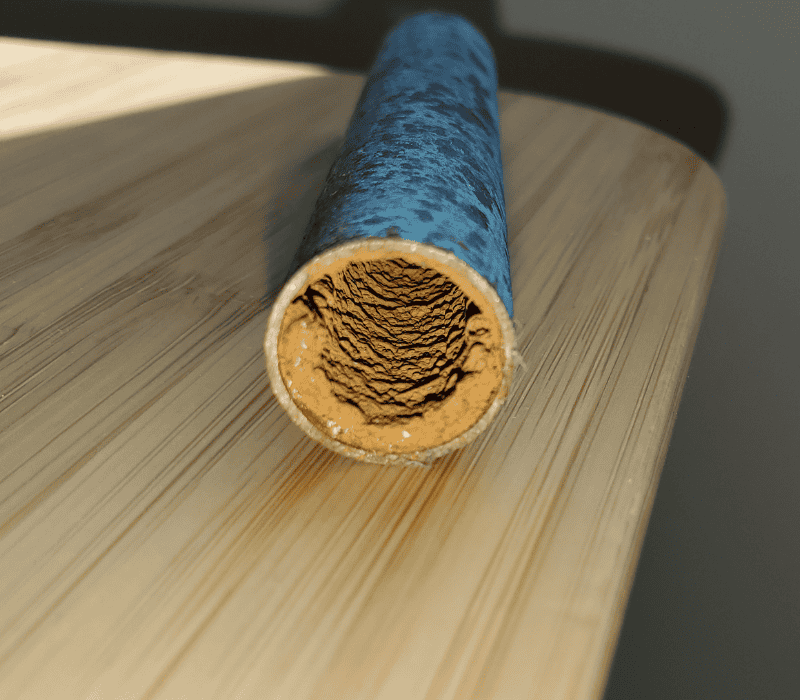
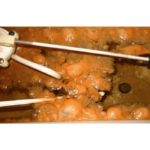
Clogged Plumbing or Damaged Appliances: Iron builds up inside pipes and fixtures, causing reduced flow and shortened appliance life.
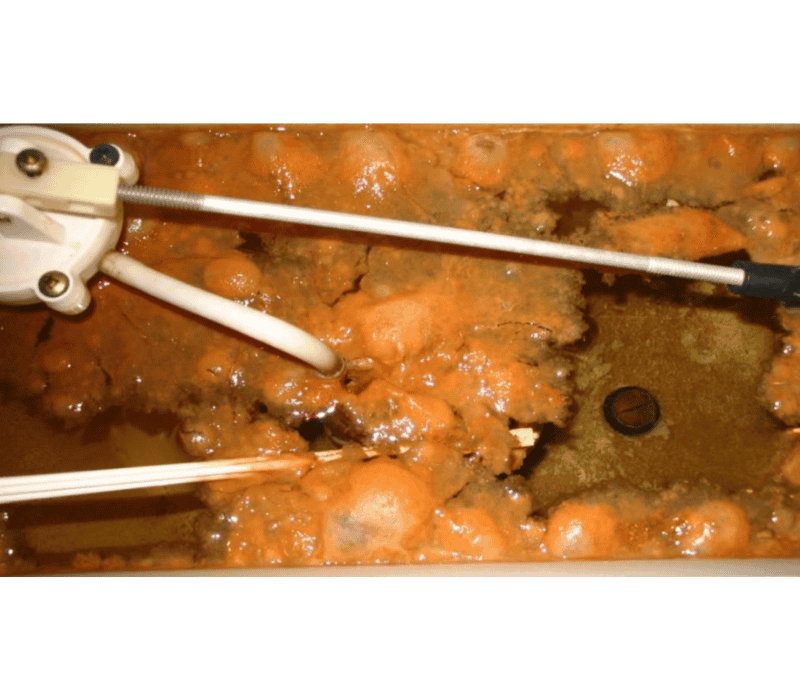
Slimy Toilet Tanks or Pipes: This may be iron bacteria — a reddish-brown slime coating surfaces and creating foul odours.
Why Should You Care About Iron in Water?
Iron may seem like a cosmetic issue, but it can result in real costs over time:
Appliance Wear & Damage: Dishwashers, water heaters, and washing machines can become clogged and inefficient.
Stained Laundry & Fixtures: Permanent marks on clothes and porcelain.
Unpleasant Drinking Experience: Bad taste and odour that discourages water consumption.
Bacterial Contamination Risk: Iron bacteria create biofilm, which can harbour other pathogens.
Types of Iron in Water
Understanding the form of iron present helps determine the right solution:
Ferrous Iron (Clear Water Iron)
Dissolved in water and not visible. It oxidizes when exposed to air, creating rust stains and metallic taste.Ferric Iron (Red Water Iron)
Already oxidized and visible as reddish-brown particles in water. It causes staining, sediment, and discoloured water.Bacterial Iron
A combination of iron and naturally occurring bacteria. It forms a slimy, reddish biofilm in toilets, tanks, and pipes. This type is especially tough to treat without advanced filtration.
Did You Know?
Iron is one of the most common contaminants in Canadian homes, especially in rural properties using well water. Even municipal systems can experience iron issues due to natural deposits or older iron-based infrastructure.
How Can You Fix Iron Problems?
Each type of iron requires a different solution:
Ferrous Iron: Best treated with a water softener paired with a chemical additive system or an oxidizing filtration system.
Ferric Iron: Removed using sediment filters or dedicated iron filtration units.
Bacterial Iron: Treated with ozone filtration, an advanced system that breaks down slime-forming bacteria and oxidizes iron.