Sulphur in Water: Causes, Symptoms & Solutions



What is Sulphur in Water?
Sulphur in water usually refers to the presence of hydrogen sulphide gas (H₂S), a naturally occurring compound in some groundwater sources. While generally harmless at low levels, hydrogen sulphide can lead to unpleasant odours, corrosion, and plumbing issues in your home.
What Does Sulphur in Water Smell Like?
Hydrogen sulphide has a distinct and very noticeable scent. Signs that your water may contain sulphur include:
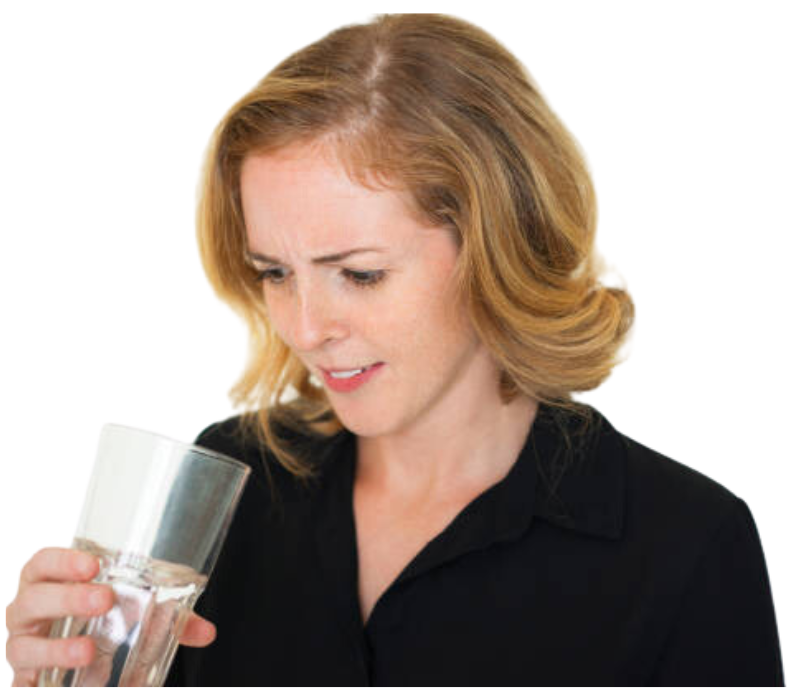
Rotten Egg Smell: A strong, unpleasant odour that affects tap water, showers, and even the air around your sinks or drains.
Taste Issues: Drinking water may taste foul or metallic, and food or drinks prepared with it can carry an off-putting flavour.
Black Staining: Sulphur can cause black discoloration on copper pipes and plumbing fixtures.
Build-up in Fixtures: Mineral residue from sulphur can lead to visible stains or gunk around taps, toilets, and tubs.
Why Should You Care About Sulphur in Water?
While it may not pose immediate health risks at low levels, sulphur can lead to:
Corroded Plumbing: H₂S is mildly corrosive and may damage pipes, water heaters, and other appliances over time.
Shortened Appliance Lifespan: Sulphur build-up affects the performance of dishwashers, softeners, washing machines, and more.
Stained Laundry and Fixtures: Especially noticeable on white or light-coloured fabrics and bathroom surfaces.
Persistent Odour Problems: Even small amounts of hydrogen sulphide can create lasting odour issues throughout your home.
Can Sulphur in Water Affect Your Health?
In most cases, hydrogen sulphide is an aesthetic concern. However, sulphates (a related form of sulphur commonly found in groundwater) can have health impacts:
Digestive Issues: High sulphate levels in drinking water may cause diarrhea, particularly in children or those unaccustomed to the water.
Risk of Dehydration: Prolonged exposure to sulphate-rich water can lead to fluid loss and discomfort.
Reduced Water Intake: Unpleasant taste or odour may lead people to avoid drinking enough water.
Health Canada recommends sulphate levels remain below 500 mg/L to prevent these side effects, especially in homes with infants or vulnerable individuals.
Does Sulphur Cause Stains or Damage?
Sulphur can interact with metals and minerals in your plumbing to cause:
Black staining on copper pipes, fixtures, or white porcelain surfaces
Gray or dark residue in laundry, tubs, and sinks
Biofilm buildup from sulphur bacteria that leads to slimy deposits and clogs
Hydrogen sulphide gas can also damage the resin inside your water softener, reducing its performance and lifespan. For this reason, sulphur should always be filtered before the softener to protect your equipment and ensure optimal water treatment.
What Causes Sulphur in Water?
Hydrogen sulphide gas often originates from:
Natural Processes: Water absorbing sulphur from organic matter, rock formations, or decaying vegetation underground.
Deep Wells: The deeper the groundwater source, the higher the chance of encountering H₂S.
Anaerobic Bacteria: Microorganisms that reduce sulphates in water can produce hydrogen sulphide as a byproduct.
Methane Presence: In some rare cases, methane can intensify sulphur-related smells or indicate more complex water chemistry.
Why Does Sulphur Sometimes Only Appear in Hot Water?
If you’re noticing a rotten egg smell only from your hot water taps, the likely culprit is your water heater — not the cold water supply.
Here’s Why This Happens:
Most water heaters contain a magnesium anode rod, which helps prevent tank corrosion.
In the right conditions, especially with sulphate-reducing bacteria in the water; the magnesium reacts with sulphates to produce hydrogen sulphide gas (H₂S).
This gas causes that distinctive rotten egg odour only when hot water is running.
Even if your cold water smells fine, your hot water heater could be generating H₂S inside the tank.
Did You Know?
Sulphur is a particularly common issue in Canadian well water, especially in rural or forested areas. Since H₂S gas escapes quickly when exposed to air, proper testing must be done at the source; ideally by a technician or during well-side sampling.
How Can You Fix Sulphur Problems?
The solution depends on your water chemistry and the severity of sulphur contamination:
Up to 5.0 ppm – Use a specialty sulphur filter designed to remove H₂S gas before it reaches your fixtures.
Up to 6.0 ppm – A manganese greensand filter is effective, especially if the water pH is above 6.7.
Over 6.0 ppm – Consider aeration systems followed by an oxidizing media filter. In some cases, continuous chlorination with post-filtration is required.
- Hot Water Only – Install a powered anode. Unlike traditional magnesium rods, powered anode rod uses an electrical current to provide corrosion protection without producing hydrogen sulphide gas. This technology effectively prevents tank corrosion while eliminating the rotten egg smell often caused by chemical reactions in conventional anodes.
.