Hard water contains high levels of calcium and magnesium, picked up as water passes through soil and rock. These minerals are naturally occurring—but while safe to drink, they can cause preventable wear and tear on your home and affect everyday comfort.
What Does Hard Water Look Like?
You may have hard water in your home if you notice:
Water Spots: Stains or residue left on glasses, dishes, or shower doors.
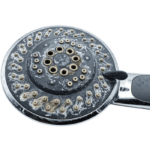
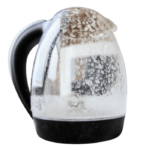
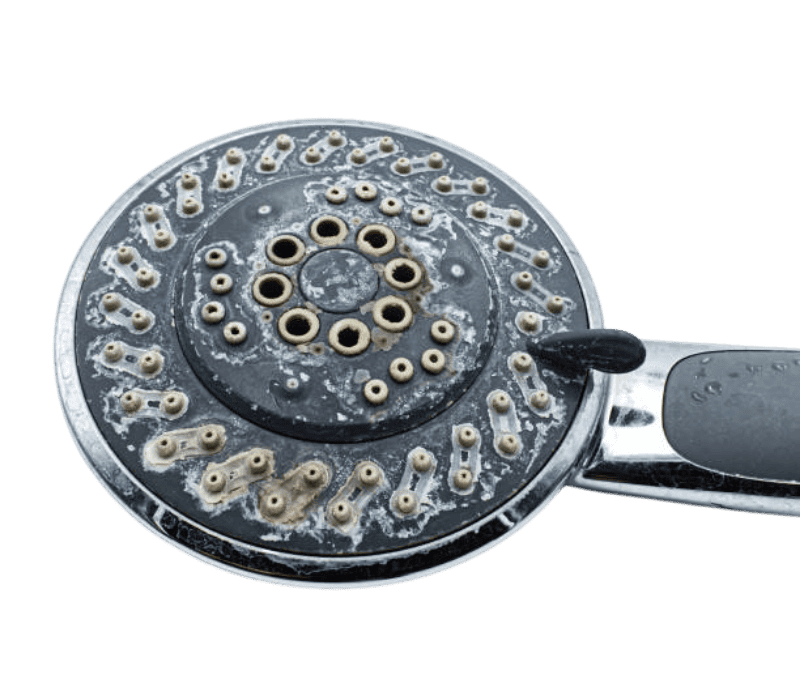
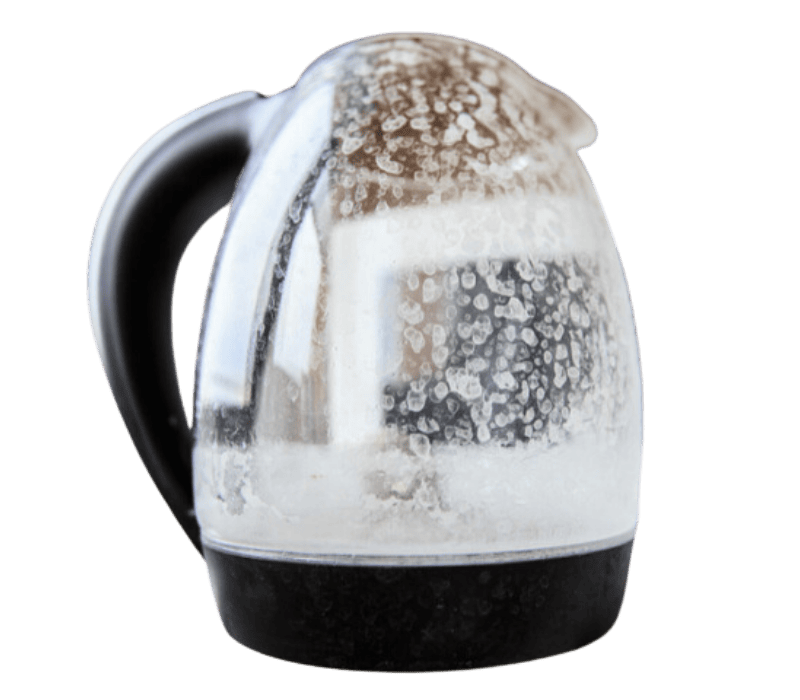
Scale Buildup: Chalky deposits on faucets, showerheads, and inside appliances like kettles or dishwashers.
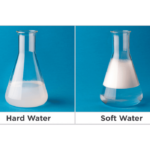
Soap Scum: Sticky residue on sinks, tubs, and tiles that doesn’t rinse off easily.
Dry Skin and Hair: Washing leaves your skin feeling tight, and your hair dull or brittle.
Laundry Problems: Clothes appear faded, rough, or feel less clean after washing.
Why Should You Care About Hard Water?
Hard water doesn’t just cause minor inconveniences – it can lead to costly problems, such as:
Higher Energy Bills: Scale buildup in water heaters forces them to work harder, using more energy.
Damaged Appliances: Dishwashers, washing machines, and even coffee makers wear out faster.
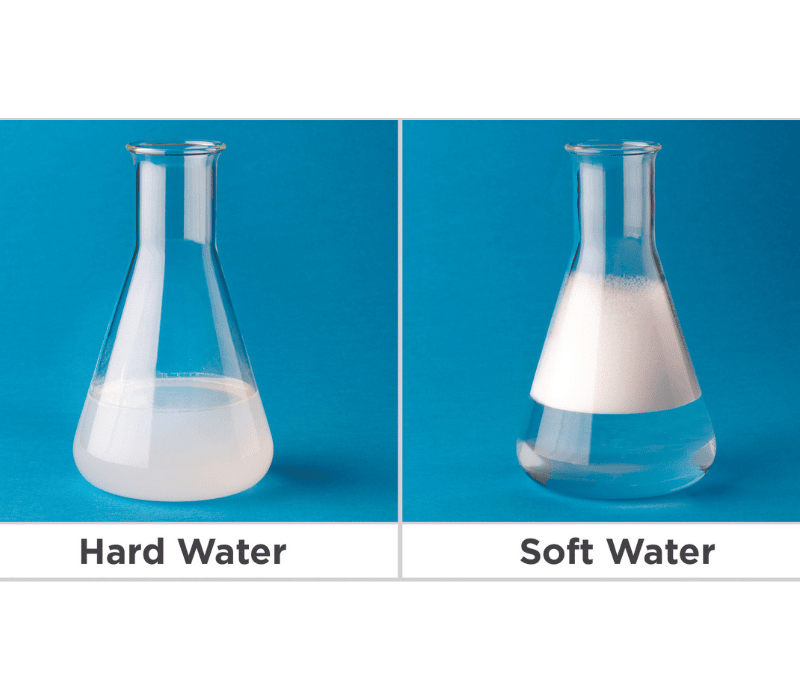
Increased Soap/Detergent Costs: Hard water makes soaps less effective, so you’ll use more to clean dishes, clothes, and yourself.
Did You Know?
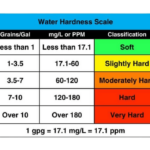
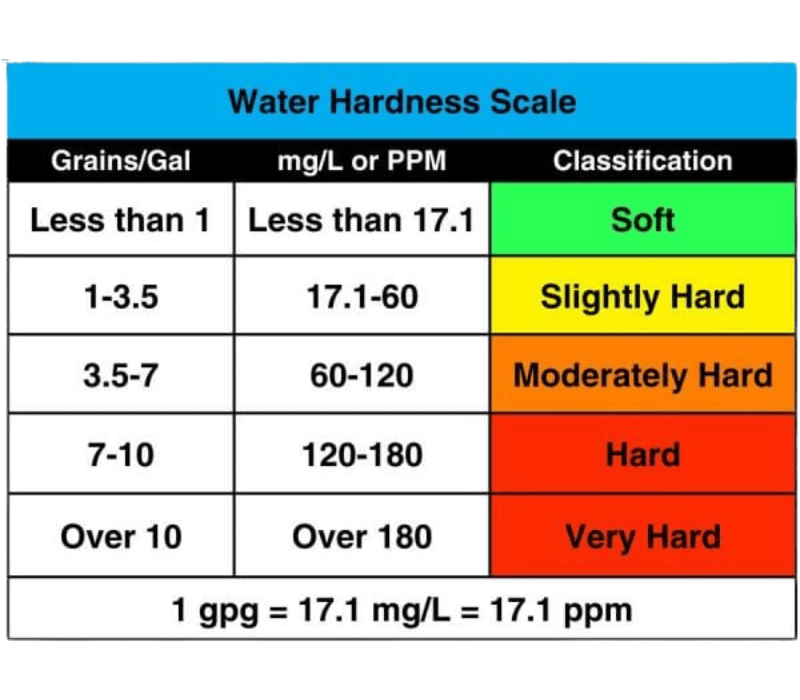
In many parts of Canada, water hardness exceeds 15 grains per gallon (gpg), which is considered “very hard,” making water softeners a household essential.
How Can You Fix Hard Water?
The most effective way to solve hard water issues is by installing a water softener. These systems remove calcium and magnesium from your water, eliminating scale buildup and protecting your appliances, fixtures, and skin.
Say Goodbye To Hard Water
Protect your home, appliances, and family with an efficient water softener solution.